Kirki, the young bear rehabilitated by ARCTUROS, found dead
Three dead bears in two days reveal the cost of inaction and the urgent need for effective management
One year ago, ARCTUROS once again intervened in the public debate regarding the increasing presence of bears in and around residential areas, warning that both local communities and wildlife were paying the price for the lack of effective state action.
One year later, this warning remains as relevant as ever.
Bear sightings within or near settlements continue across Western Macedonia and other regions of Greece. Residents are often left to deal with situations that create concern and uncertainty, while organised public information campaigns, prevention measures and rapid response mechanisms remain, with only a few exceptions, inadequate.
At the same time, bears continue to fall victim to human-caused threats.
Within just two days, three bears were found dead:
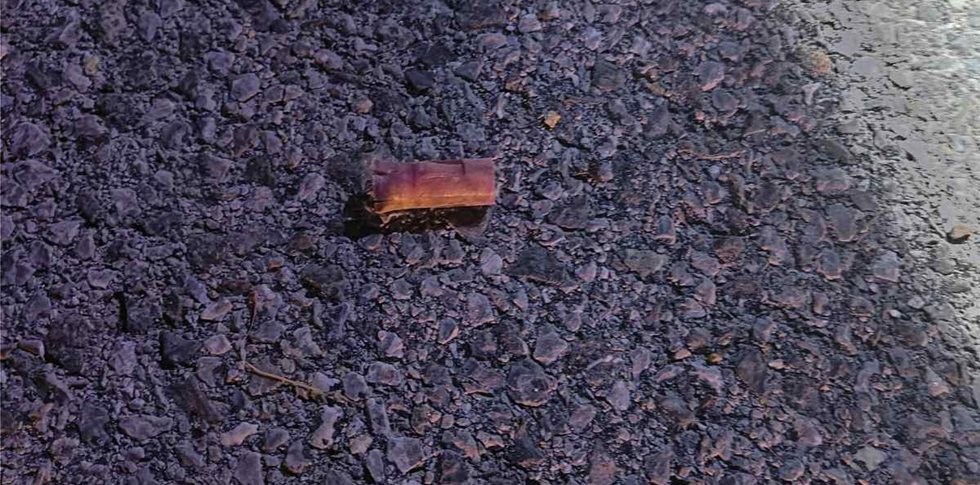
• In Pylori, in the Municipality of Voio, a male bear approximately 2.5 years old was killed after being shot three times in the head.
• Near Armenochori, in the Florina region, another bear was found dead, also killed by gunfire.
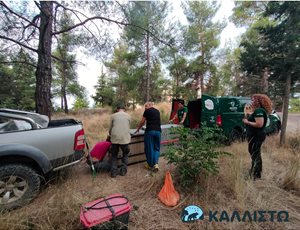
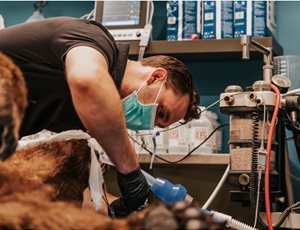
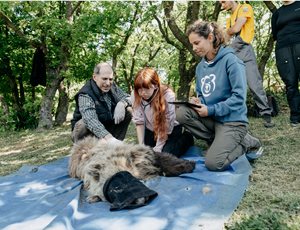
• Kirki, the young bear rehabilitated by ARCTUROS for approximately one year and released back into the wild only recently, was also found dead. All available evidence indicates that she died after consuming poisoned bait.
Three dead bears in two days cannot be dismissed as isolated incidents. They are the most tragic evidence that the problem remains inadequately addressed and that serious weaknesses persist in the operational readiness of the responsible authorities.
Particular concern is raised by the case of Kirki. Despite the timely and official notification of the competent authorities immediately after the incident was detected, the necessary response and field intervention took place only three days later.
Such delays do not only affect the investigation itself. A poisoned animal left in the field can become a secondary source of poisoning for other wild or domestic animals feeding on the carcass, multiplying the consequences of a wildlife crime and posing risks to biodiversity, livestock and public health.
Prompt action in cases involving poisoned bait is not a matter of discretion. It is a fundamental obligation of the State and a prerequisite for the effective protection of biodiversity and the prevention of further losses.
The problem is not the presence of bears
The recent incidents highlight that poaching and poisoned baits remain among the most serious human-induced threats facing the brown bear population in Greece.
The recovery of the brown bear population in Greece is undoubtedly a conservation success. However, the more frequent presence of bears in some areas cannot be used as an excuse for the lack of effective management, nor as a simplistic explanation for every incident.
The debate around an alleged “overpopulation” of bears distracts attention from the real issue. The management of bear presence near settlements is not hindered by a lack of scientific knowledge or legislative tools. The necessary framework already exists. What remains absent is its consistent implementation and the operational support required by the competent authorities.
Coexistence is possible
Experience from Greece and abroad clearly demonstrates that coexistence between people and bears is achievable when systematic prevention measures and public awareness efforts are implemented.
Key measures to reduce bear attractants in residential areas
1. Waste management
• Dispose of waste only in properly closed bins.
• Place rubbish bags in bins on the day of collection rather than leaving them outside overnight.
• Do not leave rubbish bags, food waste or other strongly scented materials in gardens, balconies or outdoor areas.
2. Food and pets
• Do not store or leave food outdoors.
• Pet food should be provided and stored indoors.
• Avoid feeding stray animals in areas where bears are known to occur.
3. Gardens, yards and orchards
• Harvest fruit from trees in a timely manner.
• Remove fallen fruit from the ground as soon as possible.
• Do not leave food, animal feed or other attractants in outdoor areas.
4. Agricultural and livestock facilities
• Beehives, poultry enclosures, small livestock facilities, vegetable gardens and orchards can be effectively protected using electric fencing.
• Where appropriate, certified wildlife deterrent devices should also be used.
5. Reporting bear incidents
• Any bear sighting near a settlement should be reported immediately to the competent authorities.
• Citizens should avoid actions that may lead to bears becoming habituated to human presence.
These measures are simple, practical and proven to be effective. Their implementation is far more effective than illegal and dangerous practices such as shooting bears or using poisoned baits.
Time to implement the solutions
Greece already has the necessary legal and institutional framework to manage bear incidents near residential areas. What is lacking is its full and consistent implementation, together with the operational readiness of the responsible authorities.
ARCTUROS calls on the State and all competent services to fulfil their responsibilities without further delay. This includes the full staffing and operation of Rapid Response Teams, meaningful public information campaigns and the implementation of preventive measures in areas where bear presence near settlements has become a recurring issue.
The repeated occurrence of such incidents demonstrates that merely acknowledging the problem is no longer sufficient. What is needed now is the immediate and effective implementation of the solutions that already exist.
Protecting people and protecting bears are not conflicting objectives. On the contrary, they are two sides of the same responsibility: an organised, science-based and effective approach to biodiversity conservation and human-wildlife coexistence.